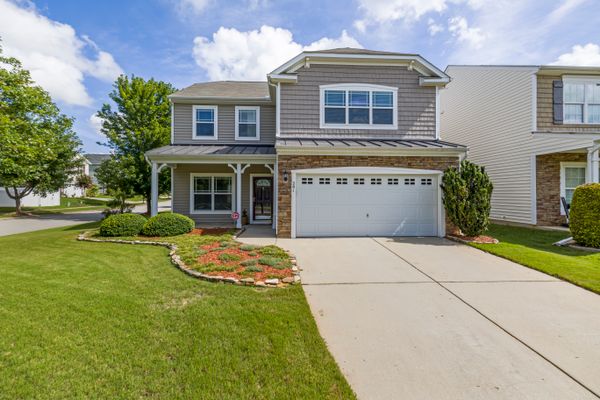
Choosing the right mulch for your Kansas landscape isn't just an aesthetic decision — it's a practical one. The right mulch protects your plants through brutal summer heat, prevents moisture loss in Kansas's often-dry conditions, suppresses weeds, and gives your beds a finished look that adds real curb appeal to your Topeka home.
The wrong mulch, on the other hand, can compact over time, suffocate roots, or wash away in the heavy storms that sweep across the plains. With so many options at garden centers and home improvement stores, Topeka homeowners often ask us: which mulch is actually the best for Kansas? Here's our honest assessment based on years of installation experience in the area.
Quick tip: For most Topeka-area flower beds, shredded hardwood mulch at 2–3 inches deep is the single best starting point. Read on to understand why — and when other options make more sense.
Why Mulch Matters in Kansas's Climate
Kansas is tough on landscapes. Summers regularly hit 95°F+, winter winds dry out exposed soil, spring storms bring heavy rain, and the clay-heavy soil common in Shawnee County tends to compact and drain poorly when left bare.
A proper layer of mulch addresses all of these challenges at once. It insulates soil against temperature extremes, slows evaporation so your plants need less water, breaks the force of heavy rain to reduce erosion, and slowly improves soil structure as organic materials break down over time. For Topeka homeowners especially, mulch is one of the highest-value investments you can make in your landscape.
The Top Mulch Types for Kansas Landscapes
1. Shredded Hardwood Mulch
Best for: Most flower beds, foundation plantings, and tree rings across Topeka and Shawnee County.
Shredded hardwood is the workhorse of landscape mulch in Kansas — and for good reason. It breaks down slowly (lasting a full season before needing refreshing), knits together well to resist washing away in Kansas thunderstorms, and improves your soil over time as it decomposes. It holds color reasonably well through the season and is available in natural brown, darker black-dyed, and rich red varieties to match your home's exterior.
Apply hardwood mulch at exactly 2–3 inches depth. Shallower than 2 inches and you lose weed suppression. Deeper than 3 inches and you risk creating an anaerobic mat that suffocates plant roots — a common mistake we see when Topeka homeowners overdo it.
2. Cedar Mulch
Best for: Beds with pest concerns, premium curb appeal, and areas where natural insect resistance matters.
Cedar mulch is shredded hardwood's more premium cousin. The natural oils in cedar have mild insect-repelling properties — making it a smart choice for beds near foundations or garden areas where moisture-loving insects are a recurring problem. Cedar also has a pleasant natural scent, holds its color well, and is slow to compact. The tradeoff is cost: cedar typically runs 20–30% more than standard hardwood mulch.
3. Black or Red Dyed Mulch
Best for: Maximum curb appeal and color contrast against green plants or light-colored exterior elements.
Dyed mulches give your beds a bold, high-contrast appearance that photographs well and stands out from the street. The dyes used by reputable suppliers are carbon- or iron oxide-based and safe for plants. The primary downside: dyed mulch can fade faster than undyed hardwood, especially in direct Kansas sun, and may need refreshing mid-season. If you're doing a mulch installation in Topeka before selling your home, dyed mulch can be worth the extra visual punch.
4. Rock and Decorative Gravel
Best for: Low-water landscapes, xeriscape beds, drainage areas, and permanent installs that don't need annual replacement.
Rock and gravel mulch is not a direct substitute for organic mulch — it doesn't improve soil health as it breaks down — but it's an excellent long-term solution for the right situations. River rock, pea gravel, limestone crush, and decorative granite are popular in Topeka landscapes for xeriscaping, foundation drainage control, and modern minimalist designs. Once installed, rock requires almost no maintenance and never needs to be replaced.
A.M.P installs all types of decorative rock and gravel throughout Topeka and Shawnee County. See our Landscaping Services for full details.
5. Rubber Mulch
Best for: Play areas, high-traffic zones, and homeowners who want permanent color that never fades.
Rubber mulch is made from recycled tires and is the most permanent option available. It doesn't break down, doesn't wash away easily, and holds color indefinitely. The downsides: it doesn't improve soil health, tends to retain more heat (which can stress roots in Kansas summers), and some gardeners prefer natural materials. Best reserved for play areas and high-traffic spots rather than traditional flower beds.
How Often Should You Replace Mulch in Topeka?
For most organic mulches (hardwood, cedar), a fresh layer once per year — typically in early spring — is enough to maintain the 2–3 inch depth needed for maximum benefit. Kansas's freeze-thaw cycles, wind, and summer sun break down organic mulch faster than in milder climates, so don't skip the annual refresh.
If you're not sure whether your existing mulch is still doing its job, press your finger into the bed. If you hit bare soil within 2 inches, it's time for a refresh.
Ready to get your beds looking their best? A.M.P installs mulch across Topeka and Shawnee County — call us at (785) 517-1063 for a free estimate.
Mulch Installation Tips for Topeka Homeowners
- Keep mulch off plant stems: Pull mulch back a few inches from stems and trunks to prevent rot and pest harboring.
- Edge your beds first: A clean edge line (see our landscaping services) makes fresh mulch look professional rather than scattered.
- Don't bury bulbs: If you have spring bulbs in your beds, be careful not to pile mulch so deep that you prevent them from pushing through in March and April.
- Water first: A light watering before mulching helps the soil retain moisture before it's covered.
Bottom Line: Best Mulch for Kansas
For most Topeka-area landscapes, shredded hardwood mulch at 2–3 inches depth is the right choice — reliable weed suppression, good soil improvement, and a clean finished look. Step up to cedar if pest resistance matters. Consider rock and gravel for permanent, low-water installations. Skip rubber mulch for anything other than play areas.
If you'd like a professional recommendation based on your specific beds, soil type, and goals, request a free estimate from A.M.P. We've installed mulch across Topeka, Silver Lake, Auburn, Tecumseh, and Rossville — and we're happy to walk your property and give you an honest opinion on the best approach.